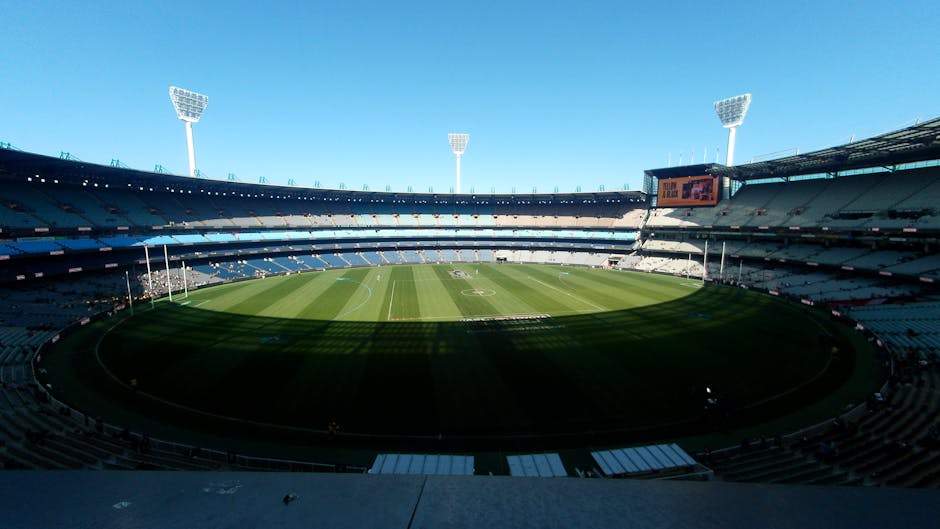
The Oval removals tips for flats near Oval cricket ground
Posted on 30/04/2026
The Oval Removals Tips for Flats Near Oval Cricket Ground
If you are moving into or out of a flat near the Oval cricket ground, you already know the area has its own rhythm. Match days bring crowds, traffic can tighten up quickly, and even a short move can become a bit of a puzzle if you leave the details too late. That is why The Oval removals tips for flats near Oval cricket ground matter: they help you plan around access, timing, parking, lifts, stairs, and the small realities that make London flat moves either smooth or stressful.
In practice, a good flat move near the Oval is less about brute force and more about coordination. You need the right van size, sensible packing, a clear route in and out, and enough flexibility to deal with neighbours, loading bays, or a sudden burst of traffic outside the stadium. Truth be told, that is where many moves get caught out. This guide walks through the practical side of doing it properly, with the kind of local detail that saves time on the day.
If you are comparing support options while planning your move, you may also find our flat removals in Kennington and local removal services overview useful as you narrow down what kind of help you actually need.
Why The Oval removals tips for flats near Oval cricket ground Matters
Flats near the Oval sit in one of South London's busier pockets, especially at certain times of day and during cricket fixtures. That changes how a removal works. You are not just moving furniture from one address to another. You are managing access, timing, parking, building rules, and the fact that streets can feel much narrower once a van, a trolley, and a few box runs are in play.
For flat moves, the margin for error is smaller than for a house move. There may be stairs, a lift that is busy or small, and neighbours who need access to the same entrance. If your move overlaps with a match, road closures or heavy footfall around the ground can slow everything down. A move that looks simple on paper can become a juggling act by late morning. That is not scare talk, just the way it often goes in central London.
Good planning matters because it protects three things at once: your time, your belongings, and your sanity. It also helps you avoid a last-minute scramble for extra help, which is rarely cheap and never particularly pleasant. If you want a broader sense of local moving support in the area, our page on removals in Kennington gives a helpful overview.
Key idea: near the Oval, a successful flat removal is usually won before moving day, not on moving day.
How The Oval removals tips for flats near Oval cricket ground Works
The basic process is straightforward, but the details matter. First, you work out your building access and the local constraints around the move. Then you decide whether you need a full removal team, a man and van, or a hybrid approach. After that comes packing, booking, parking, and timing. Sounds simple. It rarely feels simple while you are living it.
Here is the practical flow most flat moves follow:
- Survey the property and access - check stairs, lifts, hallway widths, front door clearance, and where the van can stop.
- Plan the timing - avoid peak traffic where possible and steer clear of match congestion if you can.
- Choose the right vehicle - too small means extra trips; too large can create parking issues.
- Pack in the right order - fragile items, everyday essentials, and awkward furniture need different treatment.
- Book building permissions - some blocks require lift reservations, move-in slots, or notice to management.
- Prepare the route - protect floors, clear corridors, and make sure entry codes or keys are ready.
The Oval area can be quite forgiving for short moves on a quiet day, but the opposite is also true. One busy afternoon can turn a 20-minute loading plan into an hour of stop-start work. This is why many people choose flexible support such as a man with a van in Kennington for smaller flats, or a more structured service if furniture and access are more demanding.
For larger or awkward pieces, especially in upper-floor flats, it helps to know whether you need specialist handling. That is where our furniture removals service can be relevant, particularly if you have bulky wardrobes, sofas, or anything that does not politely fit through a hallway. Sadly, furniture rarely behaves politely.
Key Benefits and Practical Advantages
Following a proper plan for a flat move near the Oval gives you more than convenience. It can genuinely reduce cost, damage risk, and stress. That sounds obvious, but the effect is real.
- Less wasted time: with parking, access, and packing sorted in advance, the crew can work steadily instead of waiting around.
- Lower risk of damage: narrower stairwells and tight turns are where scratches, chips, and dents tend to happen.
- Better budget control: a well-planned move is less likely to drift into extra hours or additional trips.
- Less neighbour friction: clear scheduling helps keep corridors, lifts, and entrances calm.
- More confidence on the day: when you know what happens first and what happens next, everything feels less chaotic.
There is also a quieter benefit: you get to keep your focus on settling in rather than firefighting logistics. For many people moving near the Oval, the real win is not just getting the boxes across London. It is arriving at the new flat with enough energy left to find the kettle, the chargers, and a decent first cup of tea.
If you are still weighing up service levels, it can help to compare a broader services overview with your move size. A small studio move does not need the same setup as a two-bedroom flat with a piano and half a bookshop. To be fair, many people underestimate that part until box number twelve arrives.
Who This Is For and When It Makes Sense
This approach is useful for anyone moving into, out of, or within a flat near the Oval cricket ground. It is especially helpful if your building has limited parking, shared entrances, a small lift, or a strict management office. If you are on a top floor, near a busy road, or trying to move around a fixture day, the value of good planning jumps up very quickly.
It also makes sense if you are:
- moving from a rented flat with a fixed check-out time
- moving into a newly purchased apartment and working to a completion deadline
- downsizing from a larger property and need help with sorting and storage
- relocating as a student or young professional with a smaller load
- moving bulky items such as wardrobes, mirrors, exercise equipment, or instruments
For students and short-notice movers, a flexible service can matter more than anything else. If that sounds familiar, our student removals page is worth a look. And if timing is tight, a same-day removals option can be the difference between a calm handover and a very late evening with boxes everywhere.
It is also worth remembering that not every move needs the same level of manpower. A one-bedroom flat with easy access may suit a smaller vehicle and fewer hands. A fourth-floor flat with no lift? Different story entirely.
Step-by-Step Guidance
1. Check your building rules first
Before you book anything, speak to your landlord, letting agent, building manager, or concierge if there is one. Ask about move-in windows, lift booking, floor protection, and any restrictions on using the front entrance. In London blocks, these details can matter more than people expect.
2. Measure the awkward bits
Measure doorways, hallway corners, stair width, lift size, and your larger items. A sofa that fits in one flat may not make it through the next building's staircase without some creative turning and, occasionally, a quiet sigh. Knowing this in advance helps you decide whether a piece needs dismantling.
3. Time the move around the area
The Oval area gets busier around match days and commuting windows. If you can, aim for a quieter slot. Early morning can work well, but only if your building allows it and your team is ready to start promptly. A late-afternoon move in traffic? Not ideal, let's face it.
4. Pack by priority, not by room alone
Yes, room-by-room packing is useful. But for flats, it is smarter to think in terms of priority. Keep essentials separate, protect fragile items well, and label anything that needs to be unloaded first. A box marked "kitchen" is fine. A box marked "kettle, mugs, cutlery, tea bags" is better.
5. Clear the route before the van arrives
Hallways should be free of loose shoes, laundry baskets, bikes, and anything else likely to catch a wheel or a foot. If your lift is booked, make sure no one is still using it for shopping trolleys or a last-minute desk move. That little gap can save a lot of time.
6. Arrange parking and loading access
Check where a van can legally stop. Do not assume the nearest space will do. In busy parts of London, a parking plan is not a nice extra; it is part of the move. If you need help choosing the right vehicle for a tighter access street, our page on removal van options in Kennington can help you think through size and access.
7. Confirm the final handover details
Make sure keys, inventories, utilities, and final checks are sorted. A lot of moving stress comes from the last thirty minutes, not the first three hours. So keep the handover simple if you can.
Expert Tips for Better Results
These are the small details that make a move near the Oval smoother than average. Not glamorous, but useful. Very useful.
- Protect the floor before the first box moves: hall floors and stair edges take a beating during flat removals. Floor runners or simple coverings can prevent awkward scuffs.
- Use proper boxes for books and heavy items: overfilled boxes are a classic mistake. They split, they sag, and then everyone looks unhappy.
- Label by destination and urgency: one label for the room, another for the priority. It sounds fussy. It saves time.
- Take photos of cable setups: if you have a desk, TV, or sound system, take quick photos before unplugging everything.
- Keep one essentials bag with you: documents, medication, chargers, snacks, toiletries, and a change of clothes should not disappear into a van.
- Tell neighbours in advance if noise is likely: a quick note or polite word in the lift can prevent complaints later.
A simple rule helps here: if an item is awkward to carry, awkward to replace, or awkward to explain to your landlord if damaged, treat it with extra care. That sounds almost too obvious, but in the middle of a moving day it is easy to forget the obvious.
If the move includes something unusual, such as a piano or another delicate item, specialist help is usually the safer route. Our piano removals service shows the sort of care that is needed for heavier or more sensitive pieces.

Common Mistakes to Avoid
Most moving problems near the Oval are not dramatic disasters. They are small planning errors that build into stress.
- Ignoring match-day traffic: even if your exact street is not closed, nearby congestion can slow loading and unloading.
- Booking the wrong size of vehicle: too small means multiple trips; too large can make parking and access harder.
- Leaving packing until the last evening: rushed packing leads to broken items and a messy start.
- Forgetting building permissions: some apartments require notice, bookings, or management approval.
- Not measuring the furniture: that big wardrobe may be beautiful, but beauty does not shrink it.
- Assuming help will just "work itself out": it usually does not. Someone needs to coordinate the day.
One particularly common issue is underestimating how long loading takes in a flat. Stairs, lifts, and distance from door to van all add time. A move that would be straightforward from a house can take noticeably longer in a block of flats. That is normal, not a sign anything is going wrong.
Another mistake is forgetting the weather. A wet London morning can make communal entrances slippery and box handling awkward. Not a crisis, but enough to justify a few extra covers, towels, or plastic wrap. You know the sort of day.
Tools, Resources and Recommendations
You do not need fancy gear for a good flat move, but a few basics make life easier. Here is what tends to help most:
| Tool / Resource | Why it helps | Best use case |
|---|---|---|
| Strong double-walled boxes | Better protection for books, kitchenware, and heavy items | Most flat moves |
| Wardrobe boxes | Useful for hanging clothes and keeping them crease-free | Studio and one-bedroom moves |
| Bubble wrap and paper | Protects fragile items and stops movement inside boxes | Glassware, decor, electronics |
| Furniture blankets | Reduces scratches and knocks during carrying | Sofas, tables, large cabinets |
| Label stickers and marker pens | Keeps boxes easy to identify at destination | Every move, honestly |
| Trolley or sack truck | Helps with heavier items and reduces strain | Flats with longer carries or stairs |
For packing help, our packing and boxes page is a useful place to start if you want to avoid the usual last-minute scramble for tape and containers. It is surprising how quickly tape disappears. One minute it is on the table, next minute, gone.
If you need short-term space between tenancies, our storage in Kennington option may also be worth considering. That can be particularly handy if completion dates, tenancy dates, or furniture deliveries do not line up neatly. And they often do not.
If you are comparing providers, it helps to look beyond the headline price. Check what is included, how access issues are handled, and whether they understand flat moves in busy local areas. For a wider view of the market, you can also review removal companies in Kennington and see what level of service matches your move.
Law, Compliance, Standards, or Best Practice
For a flat move near the Oval, the main compliance issues are usually practical rather than legal drama. Still, good practice matters. If your building has move rules, follow them. If parking restrictions apply, do not assume you can "just be quick." If your items are being handled by a professional team, you want them insured, trained, and careful with access points, lifting, and loading.
In the UK, removal work should generally be carried out with attention to health and safety, safe lifting, secure load planning, and respect for property and neighbours. If you are hiring help, it is sensible to ask how they approach these basics. A serious operator should be able to explain how they protect items, manage access, and handle fragile goods without making a song and dance about it.
It is also sensible to check terms before booking. That does not mean reading every line as though you are studying for an exam, but you should know what is included, what happens if plans change, and how payment is handled. Our terms and conditions page and insurance and safety information can help set sensible expectations.
If you are comparing companies, look for straightforward communication, clear pricing, and a willingness to answer access questions without dodging them. That is usually a good sign. Also, it never hurts to review the company background on the about us page so you know who you are dealing with.
Options, Methods, or Comparison Table
Different flat moves near the Oval call for different approaches. Here is a simple comparison to help you decide what suits your situation.
| Method | Best For | Pros | Watch Out For |
|---|---|---|---|
| Man and van | Studio flats, smaller loads, flexible timing | Quick, often cost-effective, good for short local moves | May be less suitable for bulky furniture or multiple floors |
| Full removal team | One- to three-bedroom flats, larger furniture, complex access | More hands, more efficiency, better for heavy items | Needs more planning and usually a bigger budget |
| Self-move | Very small moves or highly budget-conscious situations | Most control, can save money upfront | More stress, more lifting, more risk of delays or damage |
| Hybrid approach | Moves where you pack yourself but want lifting and transport help | Flexible, can balance cost and convenience | Requires good coordination and realistic expectations |
For many flats near the Oval, a hybrid or man-and-van setup is enough if access is straightforward. But if you have tight stairs, a large sofa, a heavy bed frame, or a completion deadline, a fuller service is often the calmer choice. You do not need to overbuy the move, but you also do not want to under-plan it.
Case Study or Real-World Example
Imagine a two-bedroom flat a short walk from the Oval, with a small lift and a loading area that is only available for a limited window. The move is booked for a weekday morning, but there is a match later that day and traffic starts building by late morning. The residents have a sofa, a dining table, several book boxes, and a mirror that absolutely does not want to travel upright for too long.
In a case like this, the smoothest route is usually simple:
- pre-book the lift and confirm the loading point
- pack the smaller items the day before
- move the fragile and awkward items first
- keep the van close to the entrance
- have a clear unloading plan at the new flat
What tends to make the biggest difference is not speed for its own sake. It is order. If the team knows what is coming out first, where it is going, and what needs extra care, the day feels lighter. A move that starts with confusion can stay that way all day. A move that starts with a plan usually stays manageable.
This is also where a local team can help in a very practical way. If they already understand the rhythm of the area, the traffic pinch points, and the sort of access issues common to nearby apartment blocks, there is less learning on the job. And less learning on the job is a good thing when you are carrying a wardrobe down a staircase.
Practical Checklist
Use this checklist a few days before the move. It is not fancy, but it works.
- Confirm the moving date and access times
- Check whether your building needs advance notice
- Measure larger furniture and doorways
- Book parking or loading access where required
- Choose the right size van or removal team
- Pack fragile items separately and label clearly
- Set aside an essentials bag for the first night
- Protect floors, corners, and furniture surfaces
- Notify neighbours if noise or lift use may be heavy
- Keep keys, contracts, and payment details in one safe place
- Plan for bad weather and bring covers if needed
- Double-check your inventory before leaving the old flat
Quick summary: if you prepare access, packing, and timing properly, most flat removals near the Oval become much more predictable. Not effortless, perhaps. But definitely more manageable.
If you would like support tailored to your flat, timing, and access needs, you can always get in touch with the team here and talk through the details before booking.
Conclusion
Moving flats near the Oval cricket ground does not have to be a headache, but it does reward good judgement. The area can be lively, the access can be tight, and the timing can matter more than you first expect. Once you plan around those realities, though, the whole process becomes far easier to manage.
The main lesson is simple enough: think about the route, the building, the van, and the load before moving day arrives. Do that, and you reduce the chances of panic, delays, or preventable damage. And if you need help with packing, access, transport, or a last-minute change of plans, there are local services that can take some of the weight off your shoulders.
Get a free quote today and see how much you can save.
Sometimes the best move is the one that feels calm by lunchtime. That is the goal, really.